The Vacation House Effect: How to Make a Space Instantly Relaxing
Have you ever walked into a room and instantly felt your heart rate slow? The tension releases between your shoulders and your jaw unclenches. That is your body’s way of signaling that it is at ease. Typically, hotel rooms and vacation homes tend to follow this relaxation-based formula when designing the space. It’s a method of creating an environment that is inherently welcoming and serene. Some places can have the opposite effect. The scary part is that sometimes the design of our house is unknowingly contributing to an overall sense of discomfort and stress. Here are six categories to look out for when designing with tranquility in mind.
Less is More
It’s easy to get caught up in the decor of it all; Instagram ads get the best of all of us. But when looking to create a space where mind and body can rest, less is actually more. Not every surface needs to be full of styling pieces. Leaving sightlines open and allowing the eye to see far is a subconscious way to put your mind at ease. Less visual clutter is better; invest in some well-designed hidden storage pieces and keep messes out of sight and out of mind.

Connect to Nature
There has been an insurmountable amount of research done on the positive effects of bringing nature into an environment, also known as biophilic design. Humans are meant to interact with the lush world Hashem gave us. Expansive windows coupled with sweeping views are the best examples of this. Other elements include introducing indoor plants to spaces or selecting furniture that leans more organically shaped rather than rectilinear. Even repeating color palettes found in nature will automatically create a subconscious association with nature and let oneself relax.

Natural Materials:
Really an extension of the topic above, natural materials fall under the umbrella of biophilic design. The implementation of organic fabrics is not only better for the people utilizing the spaces, but better for the environment as well. Think linens, cottons, and wool for upholstered pieces. Natural wood and stone are among the most visually interesting finishes, and it doesn’t compare to the plastic or man-made dupes.

Layer Lighting
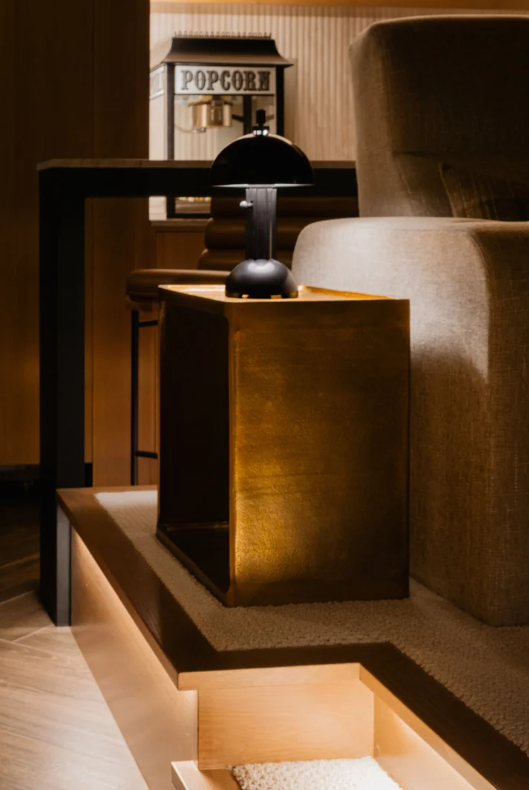
Harsh, bright lights are my best friend. Said no one ever. Bodies respond to the environment more than you realize. Try shutting off overhead spotlights and going to sleep. Most likely, it will be difficult to relax and fall asleep at first. Studies show that soft, layered lighting is the most beneficial approach to lighting in a home. Differing light sources allow for choice and to tailor a setting to your desire. Lamps, wall sconces, and indirect lighting sources are all an important part of this conversation. Color temperature plays a crucial role here too; lean toward warm-toned light sources to maximize calming effects.
Experience vs Appearance
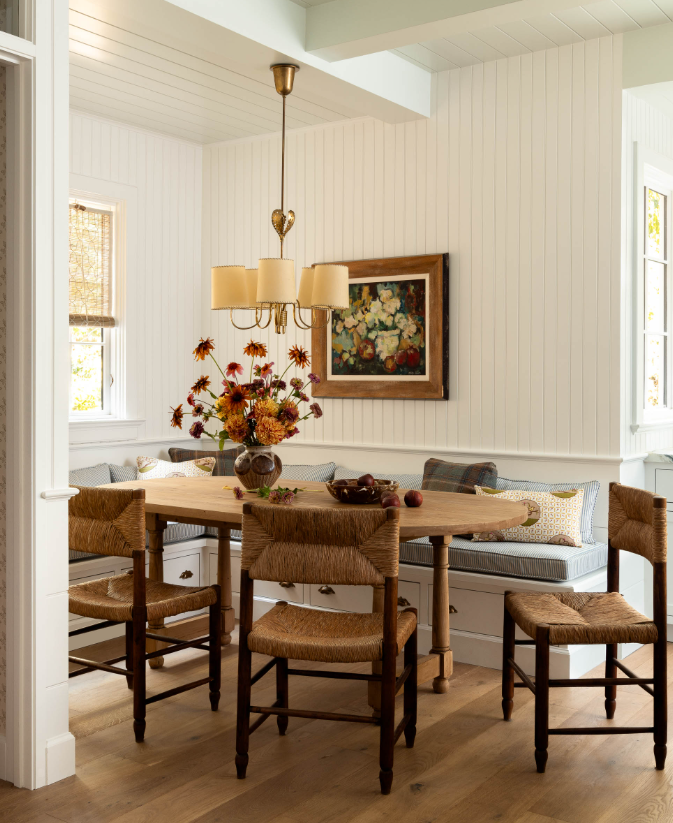
It’s easy to think that design is mainly for the aesthetics and photogenic-ness of a space. But good design is that which accommodates the experience. Is there a spot to enjoy my morning coffee? Which window can I watch the sunset out of? Where will I be serving dinner every night? These daily routines are an integral part of living, and carving out dedicated spaces and romanticizing the moments is what allows the everyday to be that much more peaceful.
Rest, Communicated
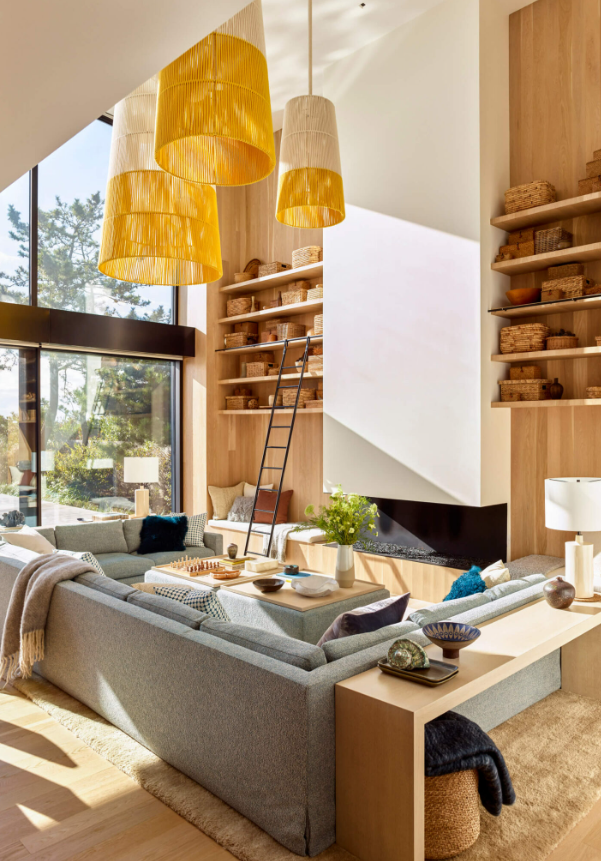
Certain areas convey moods and feelings without anything being explained. Creating dedicated areas to communicate rest and relaxation will contribute to an overall serene ambiance. What am I talking about? Well, a window seat for one. A built-in bench turned reading nook. Quiet spots to sit, take notice, and reflect. These vignettes are intentional and important in a peaceful home.
ABOUT THE AUTHOR
Born and raised in New York, Shana Beck is an interior designer and writer with a degree from the New York School of Interior Design. Her work focuses on blending design principles with insightful commentary, offering a fresh perspective on trends and innovations in the field. With a passion for writing and a deep understanding of aesthetics, she aims to make complex ideas accessible and engaging, bringing a fun and cool approach to professional content. You can reach her at 845.825.1537 or shanabeck7@yahoo.com


Mình có thói quen kiểm tra thời tiết trước khi chạy bộ buổi sáng, và tình cờ biết đến Thời Tiết Hôm Nay Việt Nam qua một bài đăng trên mạng xã hội vài tuần trước. Từ đó dùng khá đều đặn vì tốc độ tải nhanh, mở lên gần như ngay lập tức, không mất thời gian chờ khi đang vội ra khỏi nhà. Thông tin nhiệt độ theo khung giờ hiển thị rõ ràng, giúp chọn thời điểm chạy phù hợp, tránh nắng gắt hoặc mưa bất chợt. Mình cũng thích trang cung cấp thêm chỉ số chất lượng không khí, khá hữu ích với người thường vận động ngoài trời. Giao diện tối giản, không nhiều chi tiết…